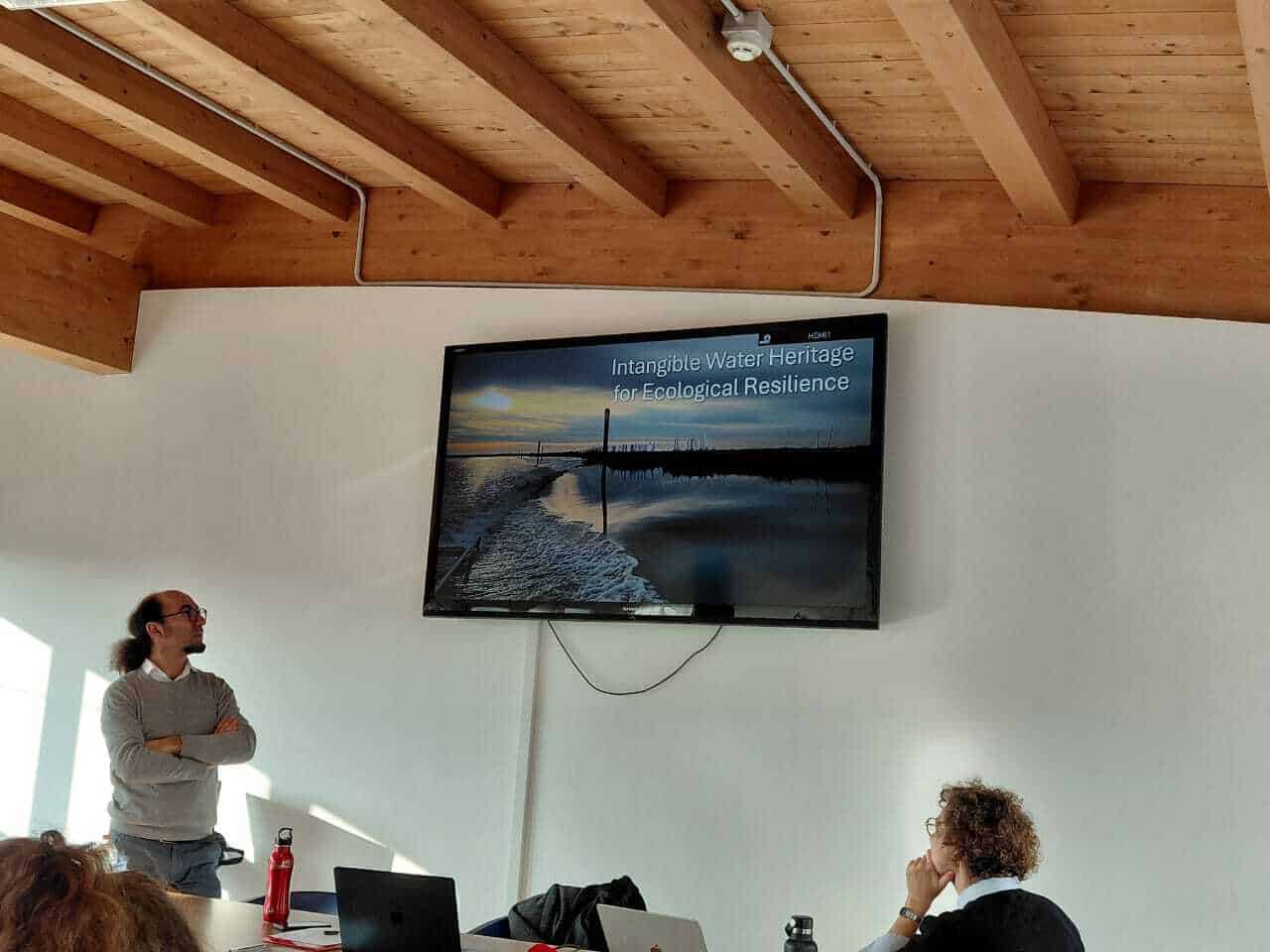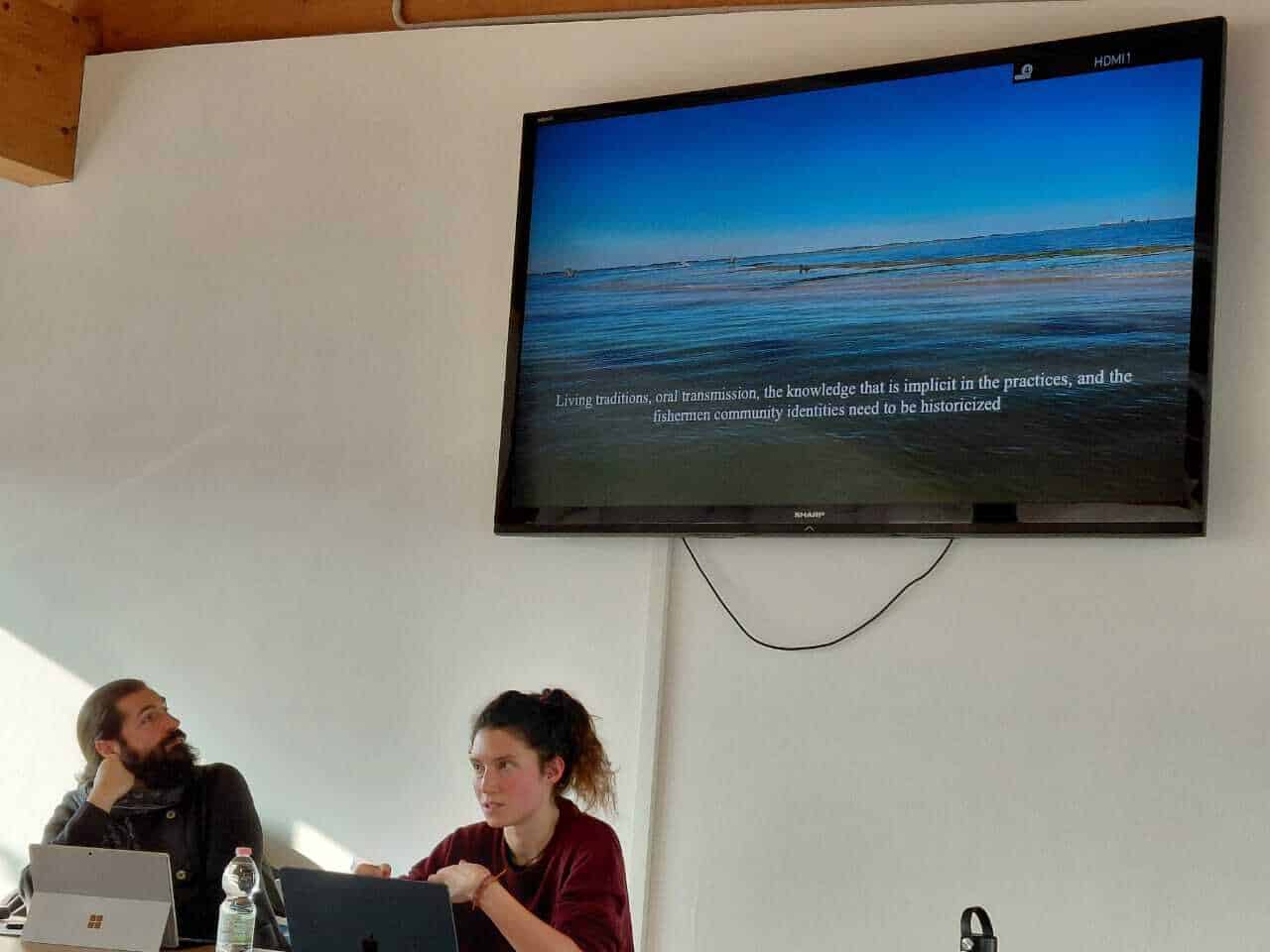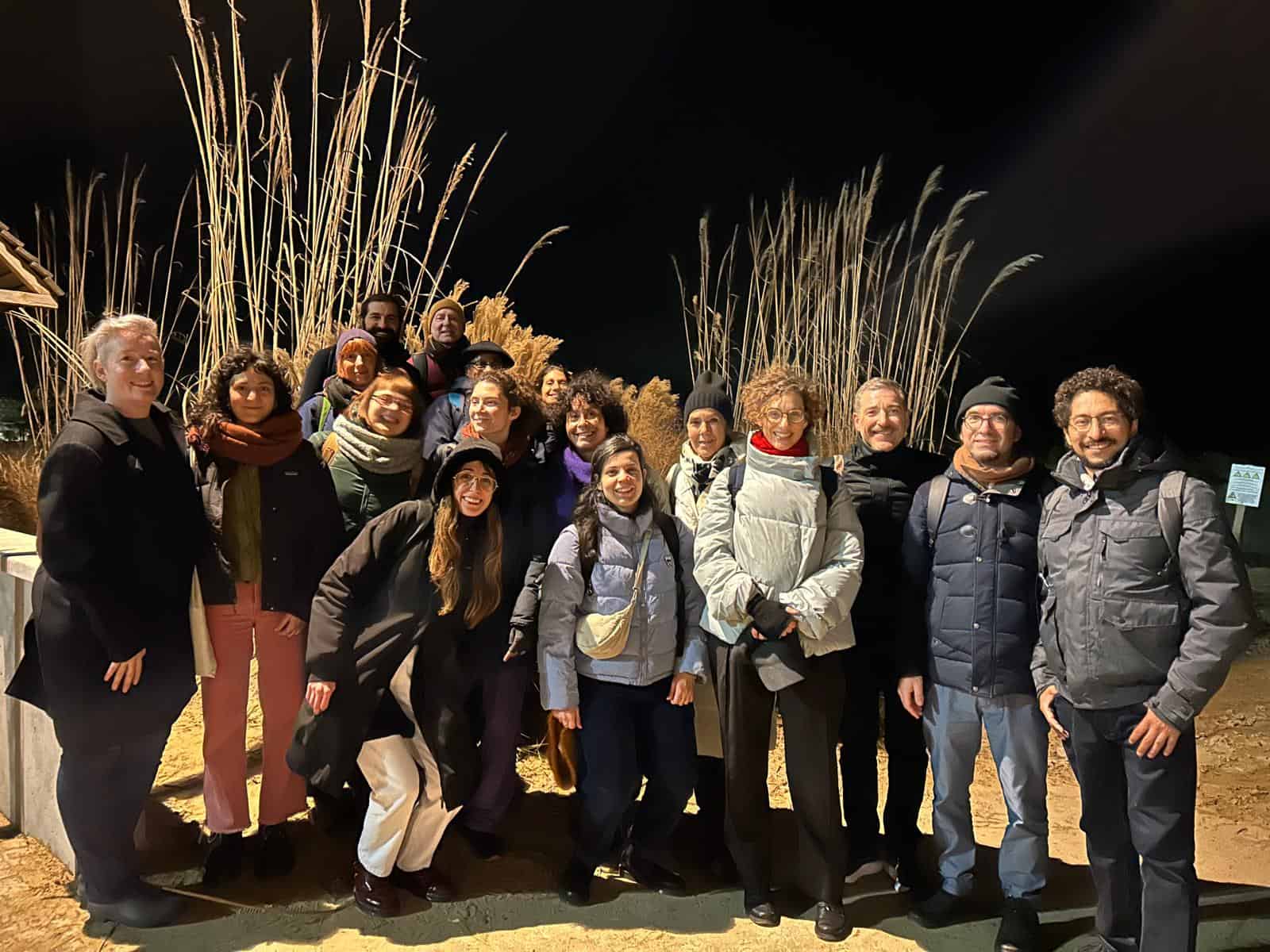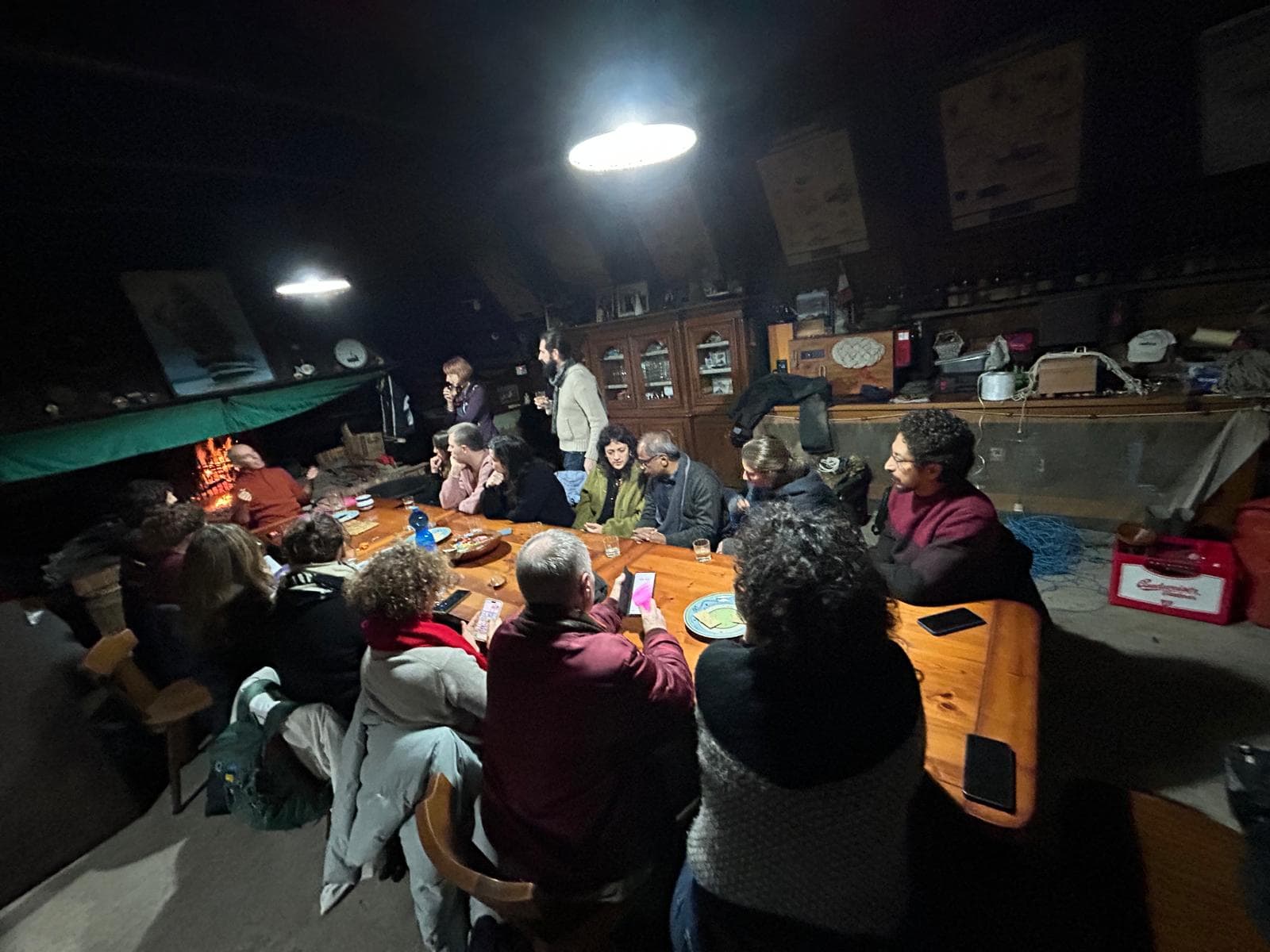
Ca’ Foscari University of Venice organized a scientific meeting on December 15–17 in Caorle, Venice, bringing into dialogue researchers and institutions from Europe and beyond, united by a common focus on water as a shared natural and cultural good and as a foundation of social resilience.
The Andros Research Center actively participated in the meeting, following an invitation from Ca’ Foscari University, as part of the planning of a joint international initiative with partners from Europe, South America, and Asia, entitled Shared Waters.
The initiative focuses on the contemporary use of intangible cultural heritage related to water, the strengthening of social resilience, and the shaping of modern policies for water resource management. Within the scientific program, the Andros Research Center presented a living example of intangible cultural heritage that remains in operation today: the traditional communal management of water springs on Andros.
A Meeting on Water as a Common Good
During the scientific sessions, pilot research projects were presented from diverse geographical and cultural contexts: from water collection and transport in maritime settings, nutrition in coastal communities of India, and biodiversity cultivation in Mexico, to traditional herbal knowledge in Baltic wetlands and irrigation systems in mountainous regions of Switzerland.
Within this international mosaic of practices, the case of Andros stood out as an example of a European island landscape where water continues to be shared collectively, based on rules rooted centuries in the past.
The Andros Research Center Presentation: Springwater Sharing in Andros
The Andros Research Center, represented by Olga Karagianni and Dimitra Pappa, presented its research and actions related to the traditional management and distribution of spring water on Andros.
As the northernmost and one of the most mountainous islands of the Cyclades, Andros has a unique hydrological and ecological profile: springs, streams, surface and groundwater, a high proportion of Natura 2000 protected areas, and rich biodiversity. In this environment, a system of communal water management developed as early as the 16th century, based on the temporal allocation of water flow, unwritten yet clear rules, and specialized social practices.
This system—comprising springs, channels, cisterns, watermills, and stone bridges—is not merely technical infrastructure but a living form of intangible cultural heritage, inseparably linked to agricultural life, dry-stone walls, footpaths, and the collective memory of the island.
Contemporary Threats and Needs
The presentation clearly highlighted the pressures this system faces today: abandonment of agriculture, population decline, over-extraction through boreholes, tourism development, and climate change. Many springs are drying up or being abandoned, while traditional knowledge is at risk of disappearing.
In response to this reality, the Andros Research Center does not limit itself to documentation but is implementing a long-term, applied research program aimed at reactivating springs as common goods.
From Research to Action: Projects for the Springs of Andros
The conference presented the main pillars of the Center’s multi-year project:
Digital documentation and mapping of springs in settlements and mountainous areas.
Historical and legal study of traditional water management.
Creation of a Community Springs Observatory, involving scientists, local stakeholders, and volunteers.
Development of an open-access digital platform for data, maps, and narratives.
Recording of oral testimonies and traditional knowledge.
Linking water management with environmental education and local policy-making.
This approach, closely connected to the experience of the Andros Routes project, demonstrates how intangible cultural heritage can serve as a tool for climate resilience, social cohesion, and sustainable development.
The Significance of Participation in Shared Waters
The participation of the Andros Research Center in Shared Waters confirmed the importance of Andros as a pilot case at the European level and opened new paths of collaboration with research institutes, universities, and cultural organizations.
Above all, it highlighted that the shared use of water does not belong to the past, but can inspire contemporary solutions for the future—provided it is grounded in knowledge, community participation, and respect for the landscape.
Because water, when it is shared, continues to flow.